Introduction
Employee expense claims may seem like a routine business process, but for many organizations, they represent a significant administrative challenge. Employees often spend valuable time collecting receipts, filling out forms, and following up on approvals, while finance teams struggle with manual verification, compliance checks, and reimbursement processing.
As businesses grow, these challenges become even more difficult to manage. What once worked for a small team can quickly become a bottleneck that slows operations, increases costs, and reduces visibility into company spending.
That’s why smart companies are digitizing employee expense claims. By replacing paper receipts, spreadsheets, and email-based approvals with automated workflows, organizations can simplify expense management, improve compliance, and create a faster, more transparent reimbursement process.
Why Manual Expense Claims Are Holding Businesses Back
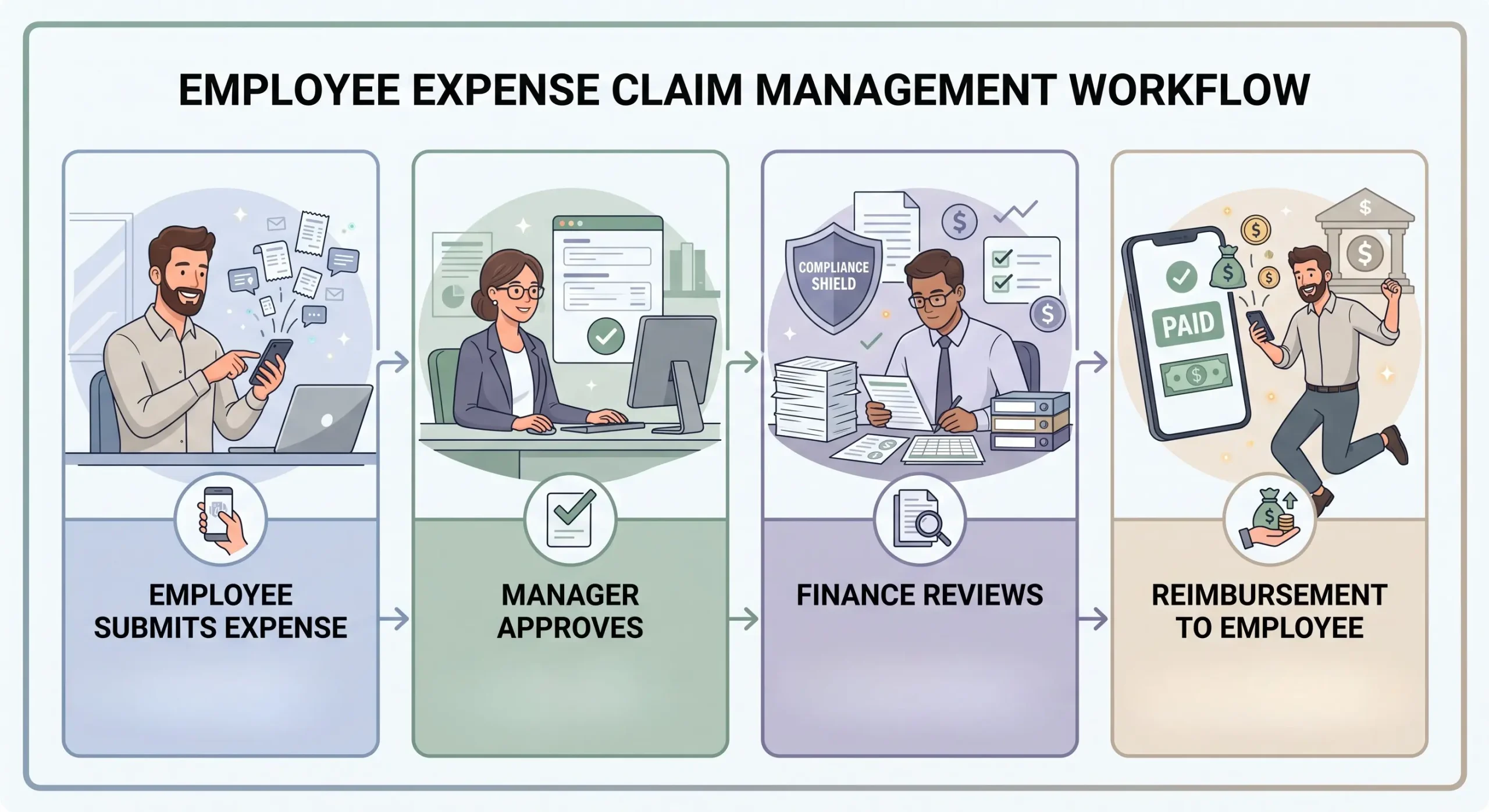
Many organizations still rely on traditional expense reporting methods that involve multiple manual steps:
- Employees collect receipts throughout the month.
- Expense reports are filled out manually.
- Managers review and approve claims via email.
- Finance teams verify documentation.
- Reimbursements are processed manually.
While this process may appear straightforward, it often creates inefficiencies that affect employees, managers, and finance teams alike.
Some of the most common challenges include:
- Lost or damaged receipts
- Delayed approvals
- Data entry mistakes
- Duplicate expense claims
- Limited spending visibility
- Increased administrative workload
These issues can result in slower reimbursements, frustrated employees, and a lack of control over business expenses. As expense volumes increase, manual processes become increasingly unsustainable.
What Does Expense Claim Digitization Mean?
Expense claim digitization involves replacing manual expense reporting processes with digital tools and automated workflows.
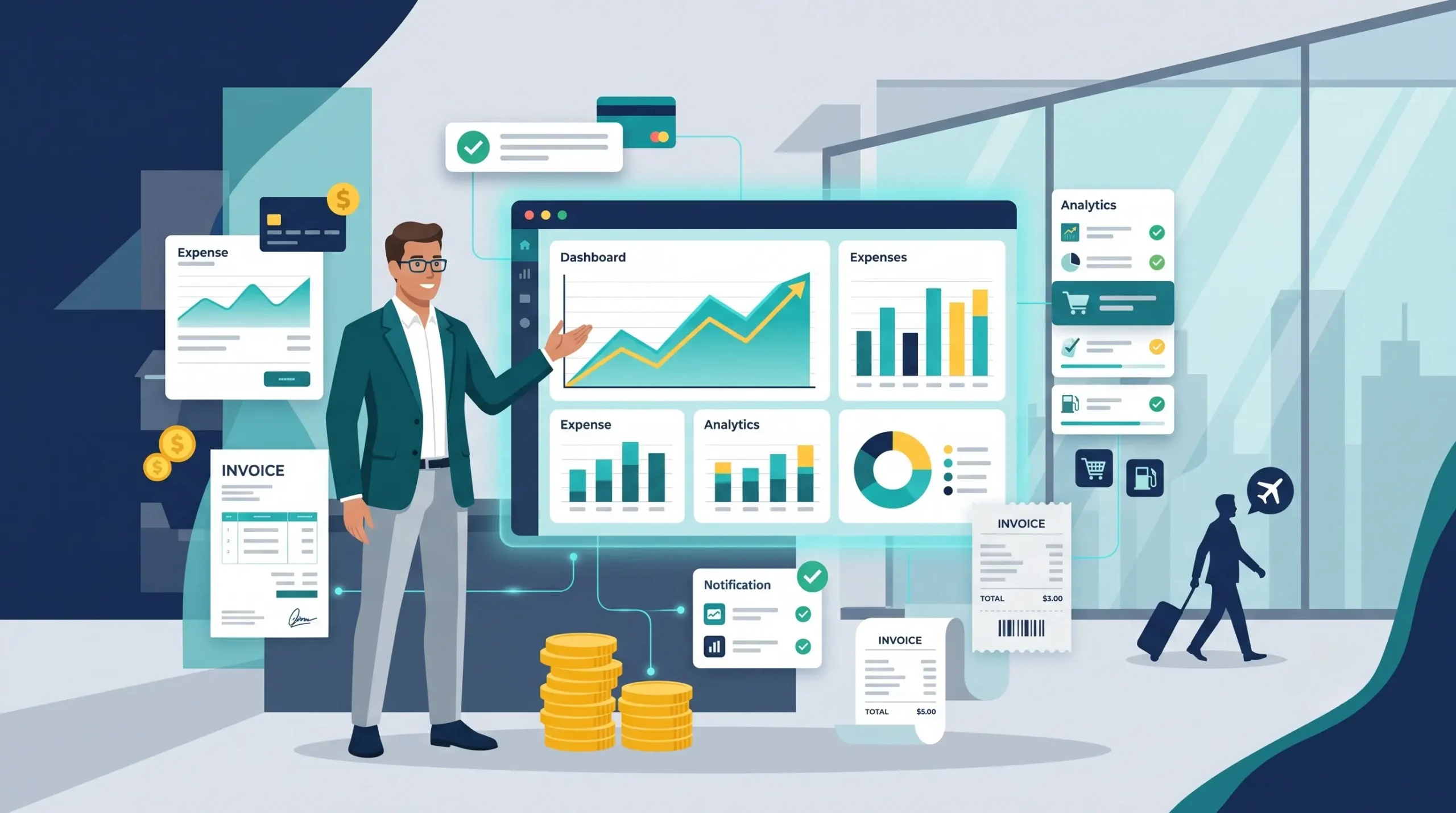
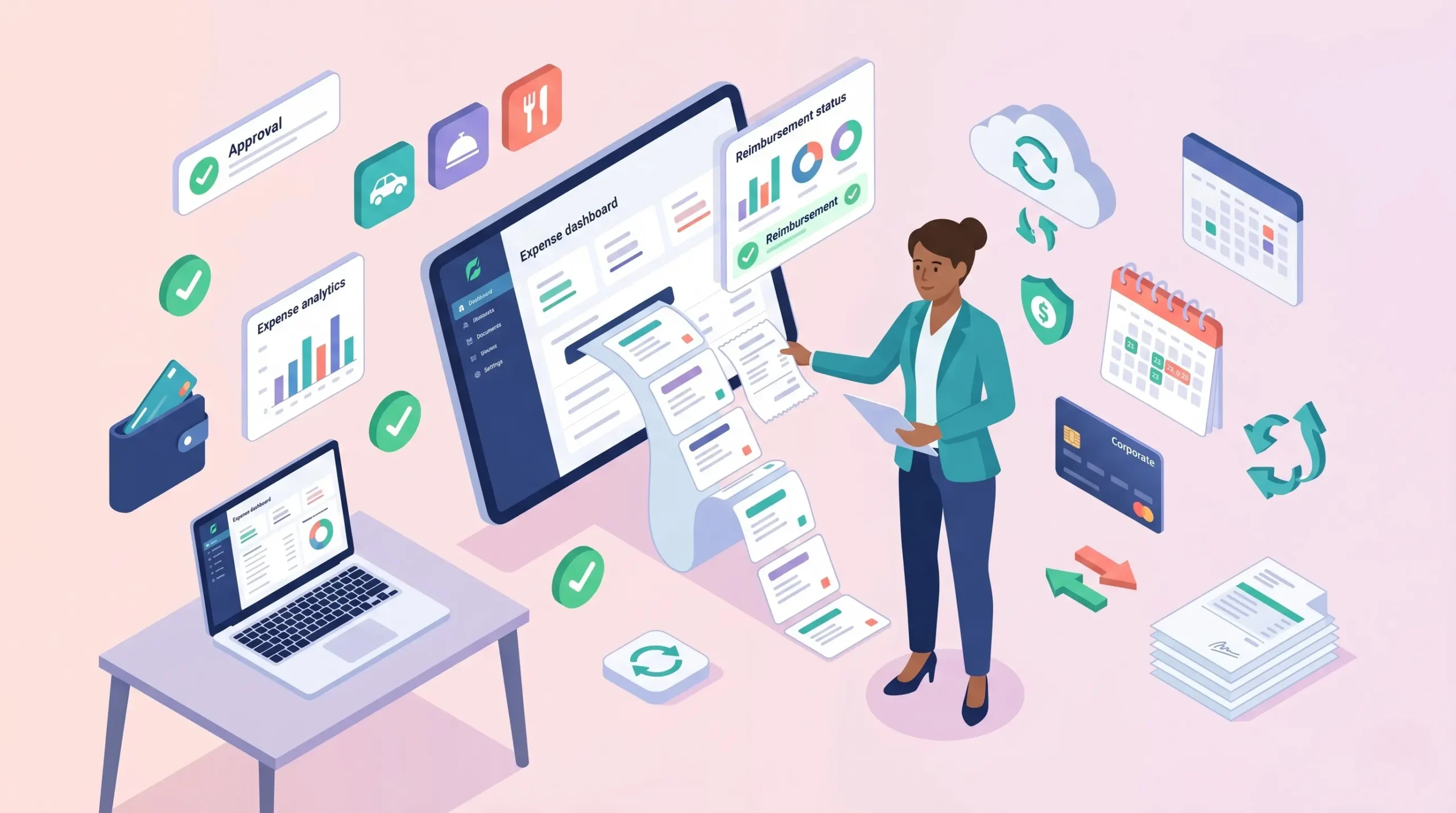
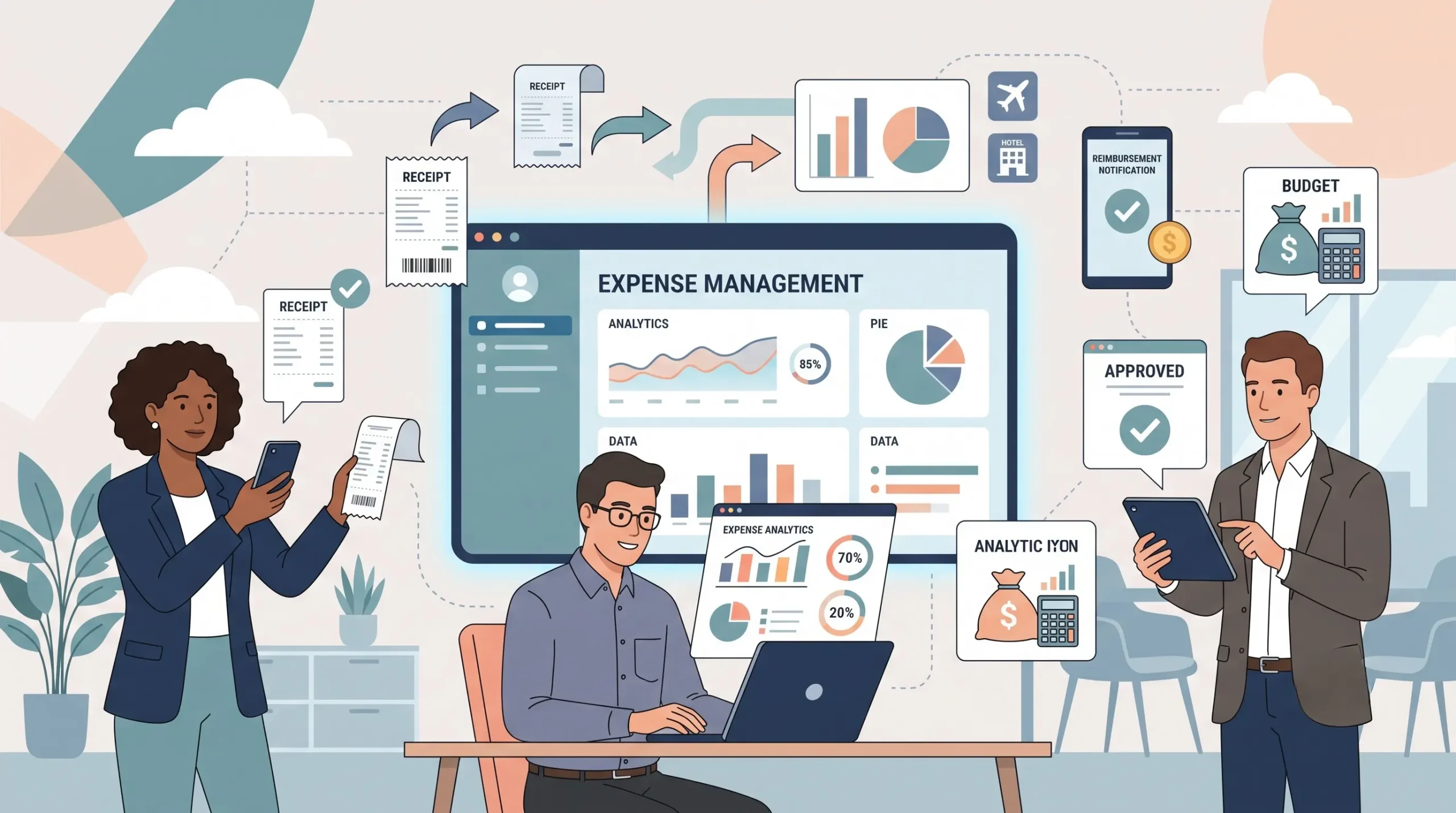
Instead of relying on paper forms and spreadsheets, employees can submit expenses electronically through a centralized platform. Receipts can be captured digitally, approvals can be automated, and expense data can be stored securely in a single location.
Employees can:
- Upload receipts instantly
- Submit claims from any device
- Track approval status in real time
- Receive reimbursements faster
Meanwhile, finance teams can:
- Automate expense reviews
- Monitor spending patterns
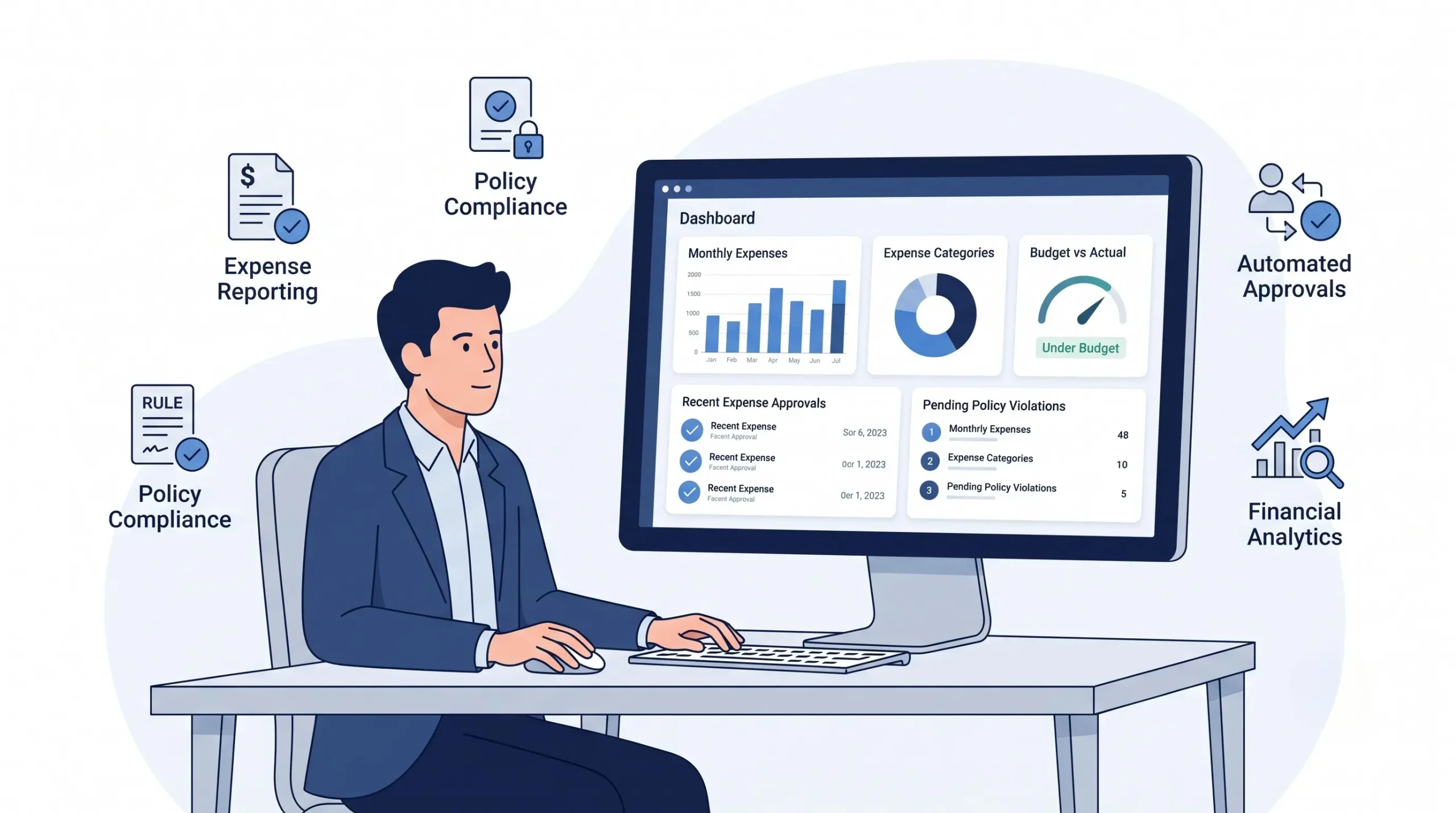
- Enforce company policies
- Generate reports and analytics
- Maintain accurate audit records
The result is a more efficient and transparent expense management process that benefits the entire organization.
How Smart Companies Are Digitizing Expense Claims
1. Replacing Paper Receipts with Digital Capture
Paper receipts are one of the biggest sources of expense management frustration. They are easily lost, damaged, or forgotten, creating delays and compliance challenges.
Modern expense management solutions allow employees to capture receipts using their smartphones immediately after making a purchase. This ensures documentation is stored securely and attached directly to the expense claim.
Digital receipt capture improves record accuracy while eliminating the need to store and organize paper receipts.
2. Automating Expense Submission
Traditional expense reports often require employees to manually enter transaction details and complete lengthy forms.
Digitized systems automate much of this process by organizing expense information and simplifying submissions. Employees can submit claims in just a few clicks, reducing administrative effort and saving valuable time.
This streamlined process encourages timely expense reporting and improves data accuracy.
3. Streamlining Approval Workflows
One of the most common causes of reimbursement delays is slow approval workflows.
Manual approval processes often rely on email chains, making it easy for requests to be overlooked or delayed. Smart companies use automated workflows that route claims directly to the appropriate approvers.
Automated reminders and notifications help keep approvals moving, reducing bottlenecks and accelerating reimbursement timelines.
4. Tracking Expenses in Real Time
Many organizations struggle with limited visibility into employee spending.
When expenses are processed manually, finance teams often do not see spending data until weeks after purchases occur. This delay makes budgeting and financial planning more difficult.
Digitized expense management provides real-time visibility into expenses as they are submitted. Finance leaders can monitor spending trends, track departmental budgets, and identify unusual expenses before they become larger issues.
5. Improving Compliance and Policy Enforcement
Expense policy violations are often difficult to detect when claims are reviewed manually.
Automated expense systems can enforce company policies by flagging:
- Missing receipts
- Duplicate submissions
- Out-of-policy expenses
- Incomplete claims
This proactive approach helps organizations reduce compliance risks while ensuring consistent policy enforcement across all departments.
Benefits of Digitizing Employee Expense Claims
Faster Reimbursements
Employees expect reimbursement processes to be quick and transparent. Automation reduces approval delays and accelerates processing times, helping employees receive reimbursements faster.
Reduced Administrative Work
Finance teams spend less time reviewing paperwork, correcting errors, and manually tracking approvals. This allows them to focus on more strategic financial responsibilities.
Better Accuracy
Automated validation helps reduce common mistakes such as duplicate claims, incorrect expense categories, and missing information.
More accurate expense data supports better financial reporting and decision-making.
Improved Employee Experience
Expense reporting is often viewed as one of the most frustrating administrative tasks within an organization.
A digitized process makes expense submission simpler, faster, and more transparent, improving the overall employee experience.
Greater Financial Visibility
Centralized expense data gives organizations a clearer understanding of where money is being spent.
Finance teams can identify spending trends, monitor budgets, and uncover opportunities for cost savings with greater confidence.
Signs Your Organization Should Digitize Expense Claims
Your company may be ready for expense claim digitization if:
- Expense approvals consistently take too long
- Employees frequently lose receipts
- Reimbursements are often delayed
- Finance teams spend excessive time processing claims
- Spending visibility is limited
- Compliance issues occur regularly
- Expense volumes continue to increase
If these challenges sound familiar, it may be time to move beyond manual processes and adopt a more efficient approach.
Best Practices for a Successful Transition
Review Existing Workflows
Identify inefficiencies and bottlenecks within your current expense management process before implementing new technology.
Establish Clear Expense Policies
Well-defined policies help employees understand spending expectations and improve compliance.
Train Employees Effectively
User adoption is critical to success. Ensure employees understand how to use the system and follow updated processes.
Monitor Key Metrics
Track important performance indicators such as approval times, reimbursement cycles, policy violations, and processing costs.
Continuously Improve Processes
Expense management should evolve alongside business needs. Regular reviews help ensure your system remains effective as your organization grows.
The Future of Expense Management Is Digital
As businesses continue to embrace digital transformation, expense claim digitization is becoming a standard business practice rather than a competitive advantage.
Organizations that digitize their expense processes gain better control over spending, improve operational efficiency, and create a more positive experience for employees and finance teams.
By eliminating manual workflows and embracing automation, companies can make expense management faster, more accurate, and easier to scale.
Conclusion
Smart companies are digitizing employee expense claims because manual processes no longer provide the speed, visibility, and control required in today’s business environment.
By automating expense submissions, approvals, compliance checks, and reporting, organizations can reduce administrative burdens, improve accuracy, accelerate reimbursements, and gain greater insight into company spending.
As expense volumes grow and financial oversight becomes increasingly important, digitized expense management provides the foundation businesses need to operate more efficiently and make smarter financial decisions.
Ready to Modernize Expense Claims?
ExpenseOut helps businesses streamline employee expense claims with automated workflows, real-time visibility, policy compliance controls, and faster reimbursements.
Book a demo today and discover how ExpenseOut can help your organization digitize expense claims and gain better control over business spending.