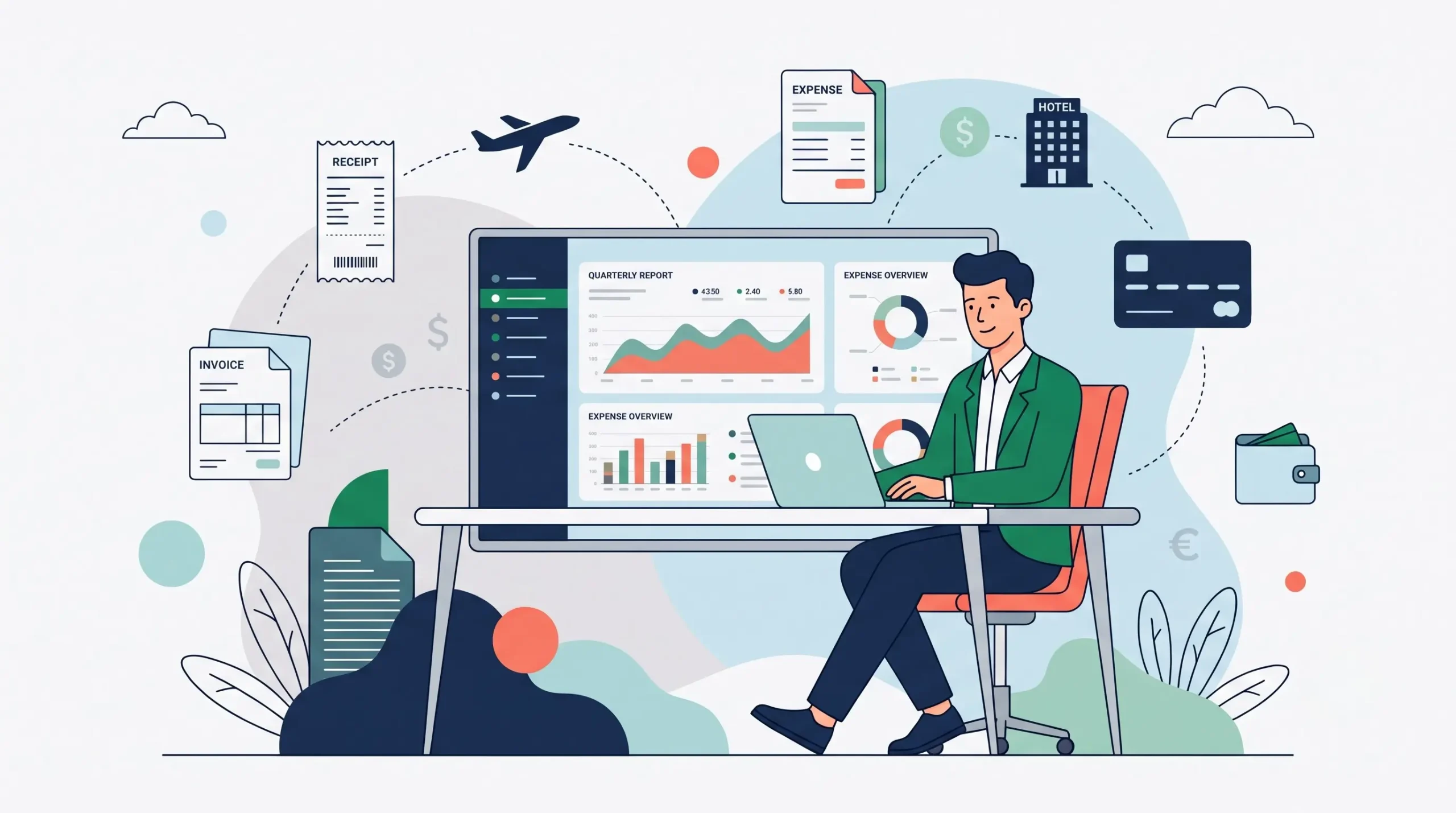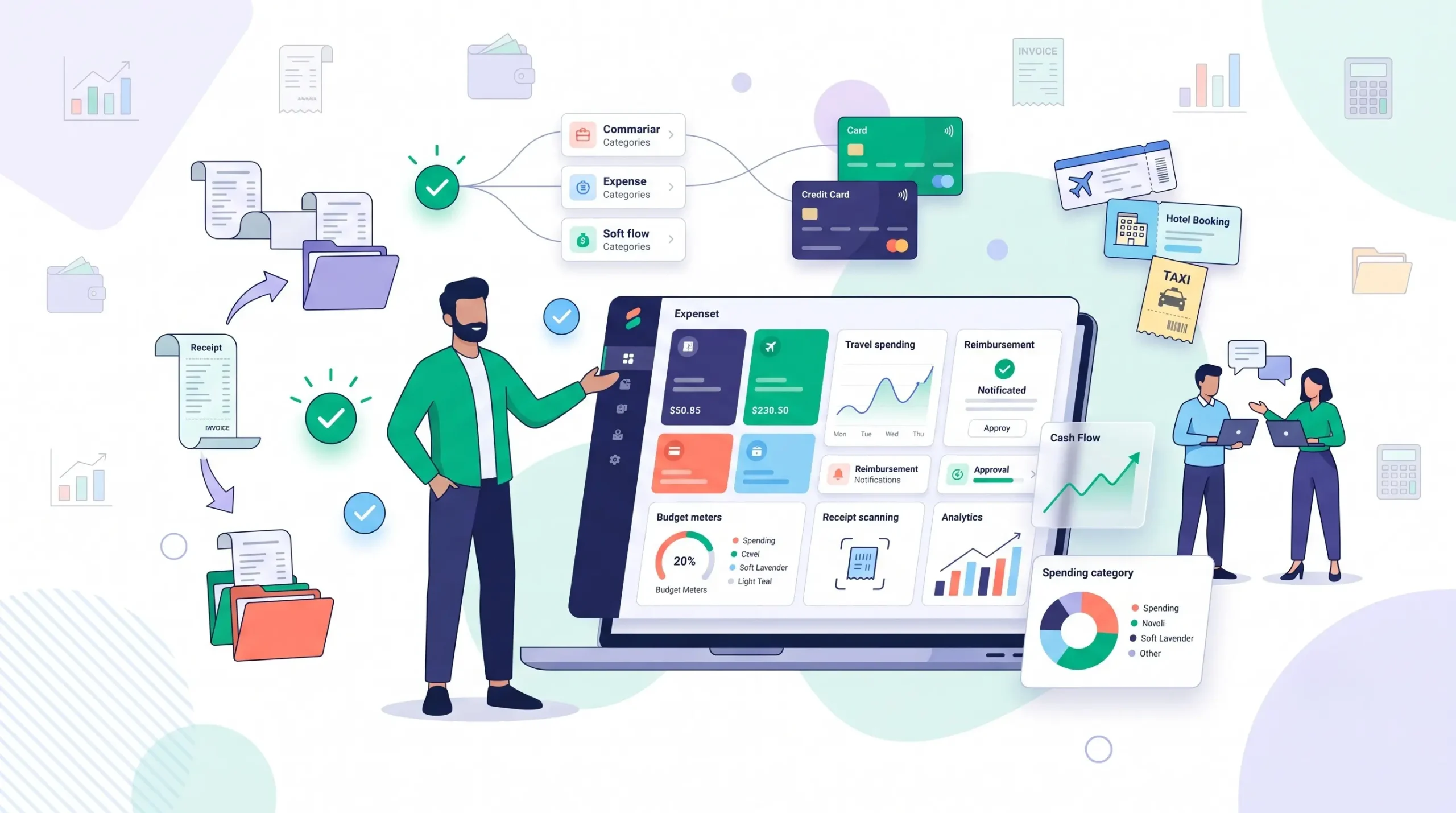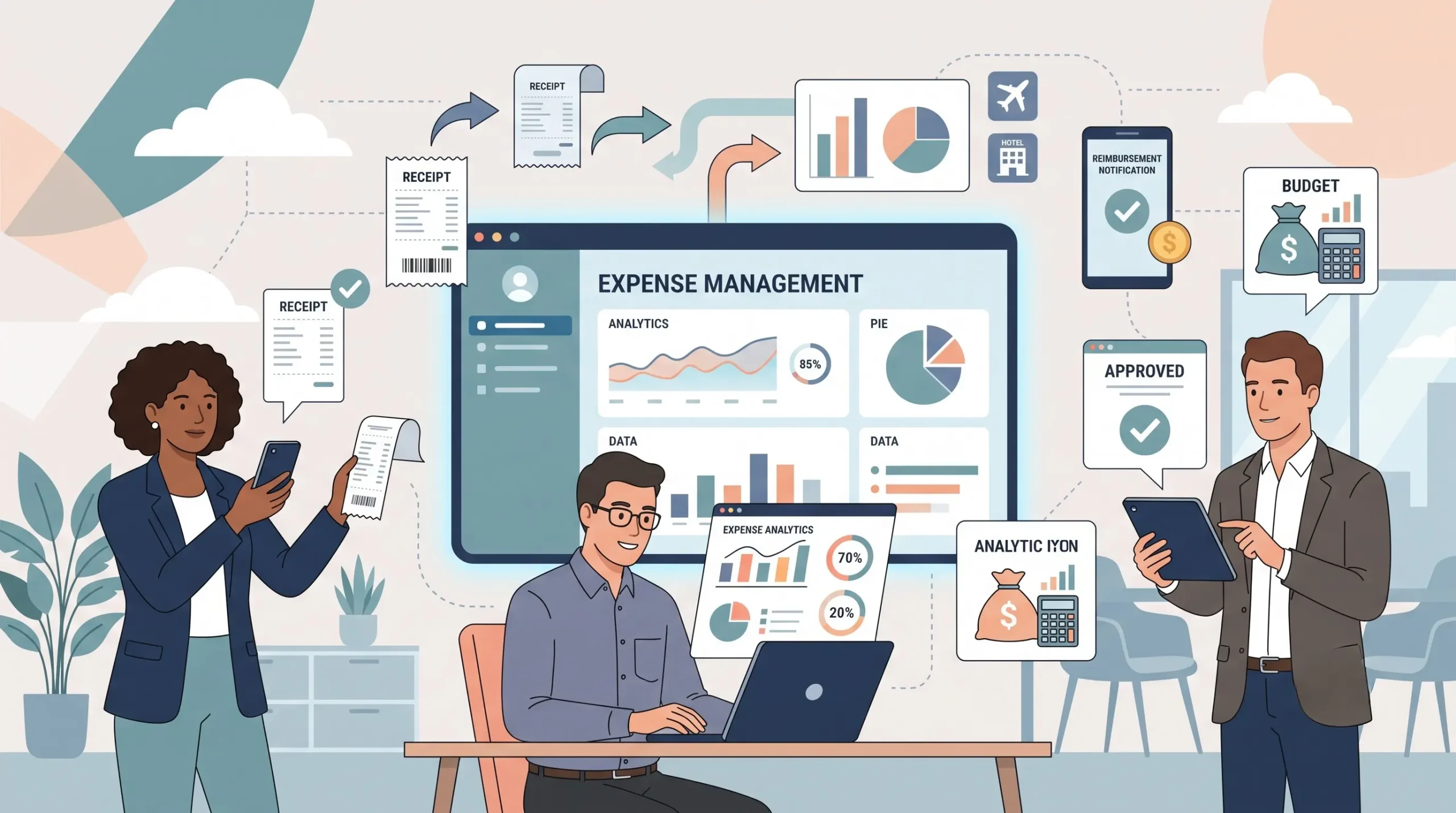
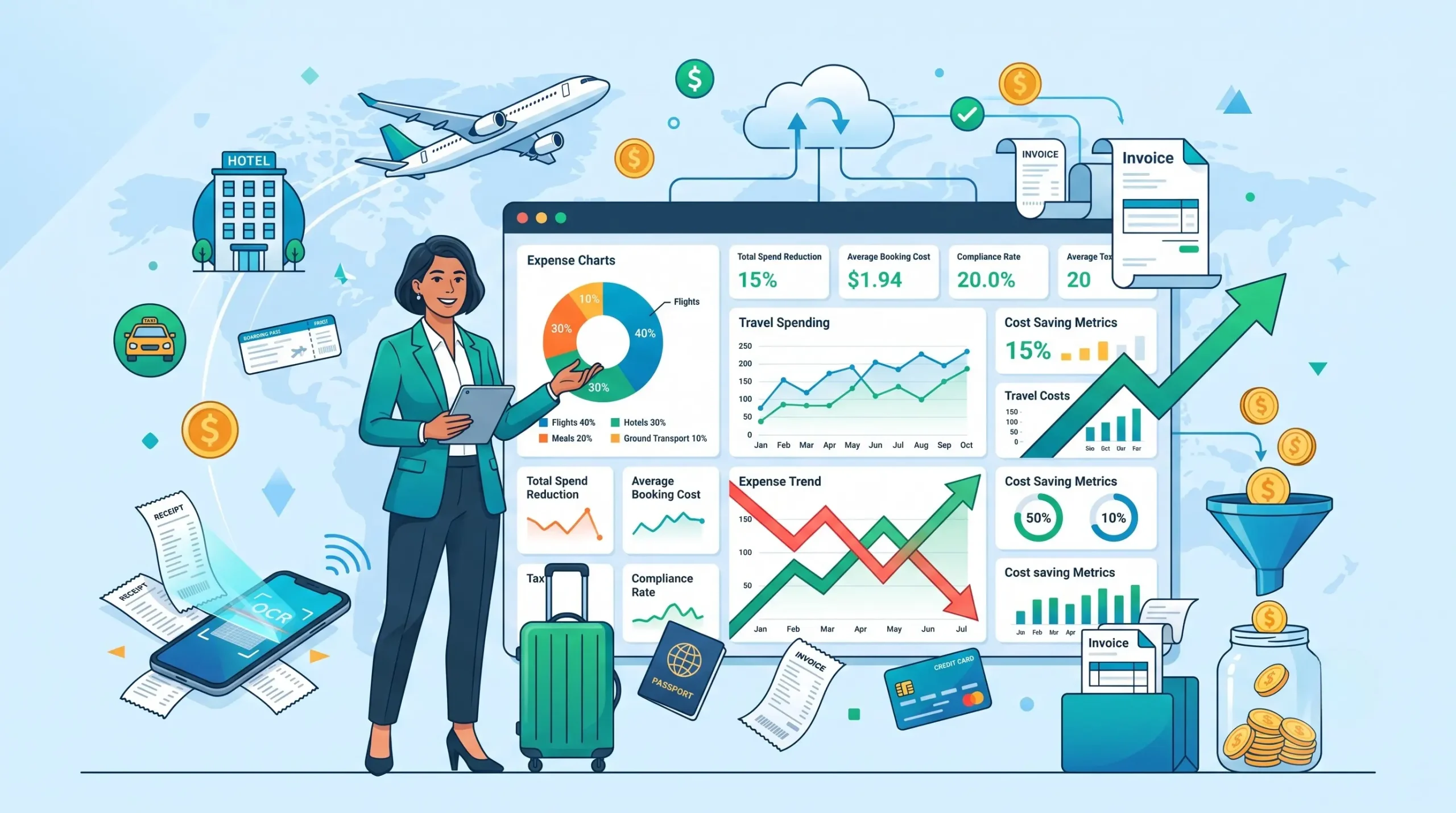
Business travel is essential for growth, client relationships, and market expansion, but it also generates significant operational expenses. Airfare, hotels, meals, transportation, and other travel costs can quickly add up. While many organizations focus on reducing booking costs, they often overlook a bigger opportunity: understanding where and how travel money is being spent.
Without clear visibility into travel expenses, businesses struggle to identify unnecessary spending, reimbursement delays, policy violations, and inefficient processes. These hidden inefficiencies gradually increase operational costs and consume valuable time for both employees and finance teams.
Travel expense analytics helps organizations turn expense data into actionable insights. Combined with enterprise finance software and a modern spend visibility platform, businesses can monitor spending, improve compliance, accelerate reimbursements, and make smarter financial decisions.
In this blog, we’ll explore how travel expense analytics reduces operational costs, the common challenges organizations face, and best practices for improving travel and expense management.
Common Challenges in Travel and Expense Management
Many organizations still rely on manual processes that create unnecessary costs and inefficiencies.
Manual Expense Reporting
Employees often submit expenses using spreadsheets or paper forms, requiring finance teams to manually review every report. This increases administrative work, creates data entry errors, and delays approvals.
Delayed Expense Reimbursements
Employees frequently wait days or weeks to receive reimbursements because of multiple approval stages, missing documentation, or manual verification. Slow reimbursements affect employee satisfaction and reduce productivity.
Receipt Management Issues
Receipt management remains one of the biggest challenges in expense management.
Common problems include:
- Lost paper receipts
- Missing invoices
- Duplicate submissions
- Manual receipt verification
- Poor document storage
- Difficult audit preparation
These issues increase processing time and create additional work for finance teams.
Limited Spend Visibility
When expense data is spread across multiple systems, finance leaders struggle to identify:
- Departments exceeding budgets
- Vendor spending patterns
- Rising travel costs
- Opportunities to reduce expenses
Without centralized reporting, informed financial decisions become difficult.
Policy Compliance Challenges
Employees may unintentionally violate company travel policies due to unclear guidelines or inconsistent enforcement. Out-of-policy bookings, duplicate claims, and unsupported expenses increase costs while delaying reimbursements.
What Is Travel Expense Analytics?
Travel expense analytics is the process of collecting, analyzing, and visualizing travel expense data to improve financial decision-making.
Instead of simply recording expenses, analytics helps businesses understand spending behavior and identify opportunities for improvement.
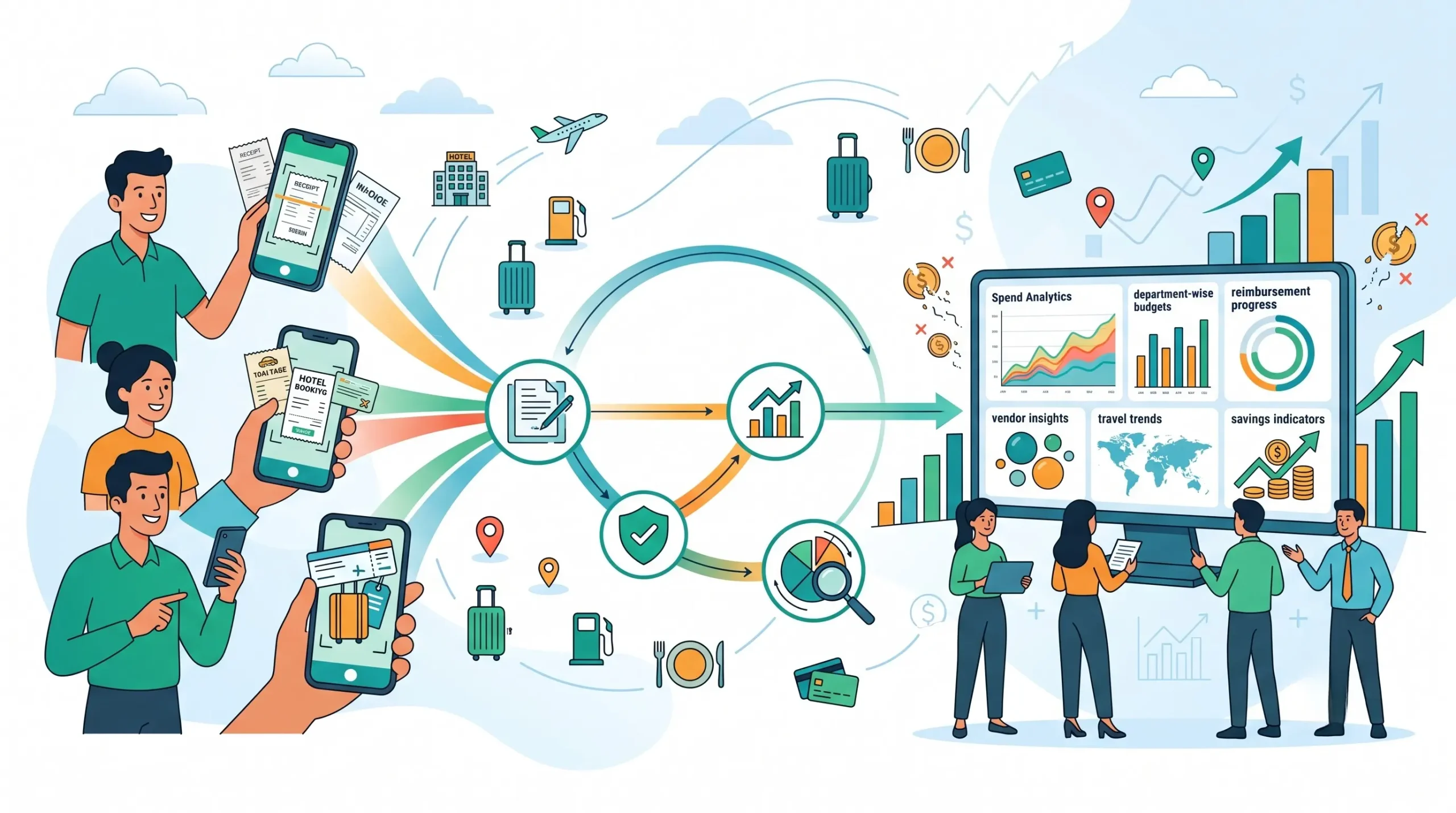
Organizations can monitor:
- Department-wise travel costs
- Vendor performance
- Travel spending trends
- Policy compliance
- Reimbursement timelines
- Budget utilization
This allows finance teams to move from reactive reporting to proactive cost management.
How Travel Expense Analytics Reduces Operational Costs
Improves Spend Visibility
A spend visibility platform provides a centralized view of travel expenses across the organization.
Finance teams can monitor spending in real time instead of waiting for month-end reports. This visibility helps identify overspending, track budgets, and improve financial planning.
Identifies Cost-Saving Opportunities
Expense analytics highlights patterns that are difficult to detect manually.
Businesses can identify:
- Frequently booked expensive hotels
- High-cost travel routes
- Repeated last-minute bookings
- Non-preferred vendors
- Excessive meal expenses
Addressing these issues can generate significant long-term savings.
Speeds Up Expense Reimbursements
Analytics helps organizations identify delays within reimbursement workflows.
Finance teams can measure:
- Average approval time
- Processing delays
- Reports requiring corrections
- Outstanding reimbursements
Improving these processes reduces employee frustration while increasing operational efficiency.
Improves Budget Planning
Historical expense data provides valuable insights for future planning.
Businesses can:
- Forecast travel budgets
- Allocate spending by department
- Identify seasonal travel trends
- Improve cash flow planning
More accurate forecasting leads to better financial control.
Strengthens Policy Compliance
Travel expense analytics automatically identifies out-of-policy spending before reimbursements are processed.
Examples include:
- Hotel bookings exceeding limits
- Duplicate expense claims
- Missing receipts
- Unsupported expenses
Early detection reduces unnecessary spending and strengthens financial governance.
The Role of Enterprise Finance Software
While analytics provides valuable insights, enterprise finance software enables businesses to act on those insights efficiently.
Modern finance platforms combine:
- Expense reporting
- Budget management
- Approval workflows
- Financial reporting
- Travel expense tracking
- Reimbursement management
Instead of using disconnected tools, organizations gain complete control over travel-related spending from a single platform.
Why Spend Visibility Matters
As businesses grow, managing travel expenses becomes more complex.
A spend visibility platform helps organizations:
- Monitor expenses across departments
- Compare spending trends
- Track travel budgets
- Identify savings opportunities
- Improve financial accountability
Greater visibility enables better decision-making and reduces unnecessary operational costs.
Best Practices for Smarter Travel Expense Management
Organizations can maximize the benefits of travel expense analytics by following these best practices.
Digitize Receipt Management
Encourage employees to capture receipts digitally using mobile devices. Digital records improve audit readiness, reduce lost receipts, and simplify expense verification.
Automate Expense Reporting
Replacing spreadsheets with automated expense reporting reduces manual work, improves accuracy, and accelerates approvals.
Standardize Expense Policies
Clear, accessible policies help employees submit compliant expense reports while reducing rejected claims.
Integrate Travel and Expense Systems
Connecting travel booking with expense reporting eliminates duplicate data entry and improves reporting accuracy.
Review Expense Analytics Regularly
Monthly reviews of travel spending help organizations identify trends, monitor budgets, and implement cost-saving measures before expenses increase.
Signs Your Business Needs Better Expense Management
Your organization should consider modern travel expense analytics if:
- Travel spending continues to increase without explanation.
- Employees regularly experience reimbursement delays.
- Finance teams rely on spreadsheets.
- Lost receipts are common.
- Expense approvals take too long.
- Budget forecasting is inaccurate.
- Spending reports lack meaningful insights.
These challenges often indicate that manual processes are limiting financial efficiency.
Benefits Beyond Cost Savings
Travel expense analytics delivers value across the organization.
For Employees
- Faster reimbursements
- Less paperwork
- Improved expense tracking
- Better visibility into claim status
For Finance Teams
- Reduced manual work
- Improved compliance
- Easier audits
- Better financial reporting
For Business Leaders
- Greater spending visibility
- Smarter budgeting
- Better financial planning
- Reduced operational costs
Frequently Asked Questions
What is travel expense analytics?
Travel expense analytics helps businesses analyze travel spending, monitor compliance, identify cost-saving opportunities, and improve financial decision-making.
How does enterprise finance software improve travel expense management?
Enterprise finance software automates expense reporting, approvals, reimbursements, budgeting, and reporting while providing centralized control over company spending.
What is a spend visibility platform?
A spend visibility platform gives businesses a real-time view of organizational spending, helping finance teams monitor budgets and identify opportunities to reduce costs.
Why is receipt management important?
Digital receipt management reduces lost documents, speeds up reimbursements, improves audit readiness, and increases reporting accuracy.
How can businesses reduce travel expenses?
Businesses can reduce travel expenses by using travel expense analytics, automating expense reporting, enforcing travel policies, digitizing receipt management, and monitoring spending trends.
Conclusion
Reducing operational costs requires more than negotiating lower travel rates. Organizations need complete visibility into how travel expenses are managed across every stage of the process.
Manual expense reporting, delayed reimbursements, receipt management issues, and limited spending visibility create hidden costs that affect both employees and finance teams. Travel expense analytics helps uncover these inefficiencies and provides the insights needed to improve financial performance.
By combining travel expense analytics with modern enterprise finance software and a comprehensive spend visibility platform, businesses can reduce operational costs, improve compliance, accelerate reimbursements, and make more informed financial decisions.
Ready to Optimize Your Travel Spending?
If your organization still relies on spreadsheets or manual expense processes, now is the perfect time to modernize. ExpenseOut helps businesses automate expense reporting, simplify receipt management, improve spend visibility, and gain real-time analytics for smarter financial decisions.
Book a demo today to discover how ExpenseOut can help your business reduce operational costs and transform travel expense management.