
Employee burnout isn’t always caused by long hours or demanding workloads. Sometimes, it’s the everyday administrative tasks that slowly wear employees down. One of the biggest yet often overlooked contributors is the expense reporting process.
After a business trip, employees often spend hours organizing receipts, filling out spreadsheets, following up on approvals, and waiting weeks for reimbursement. While these tasks may seem minor individually, they add up over time, creating frustration, reducing productivity, and impacting employee satisfaction.
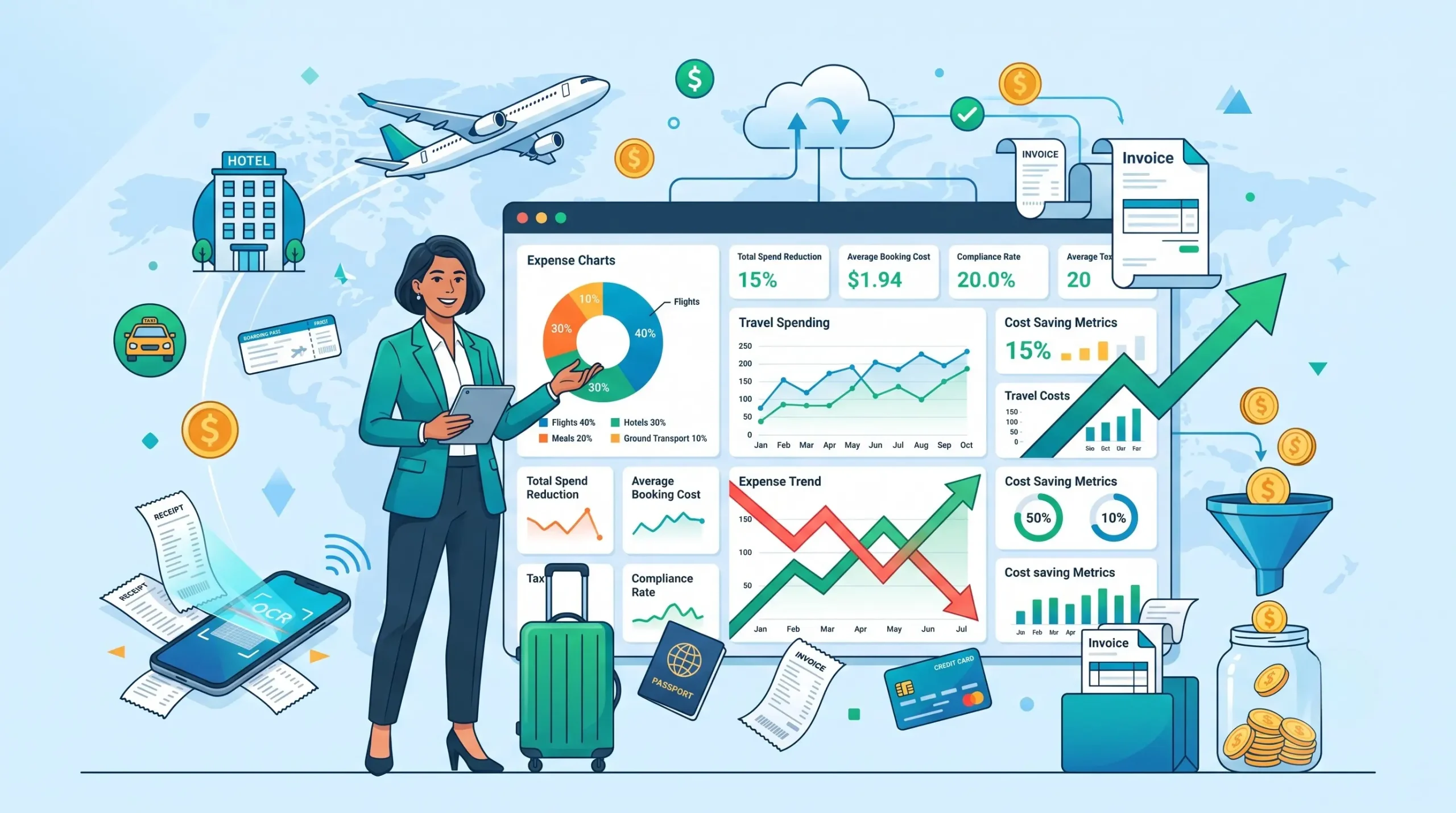
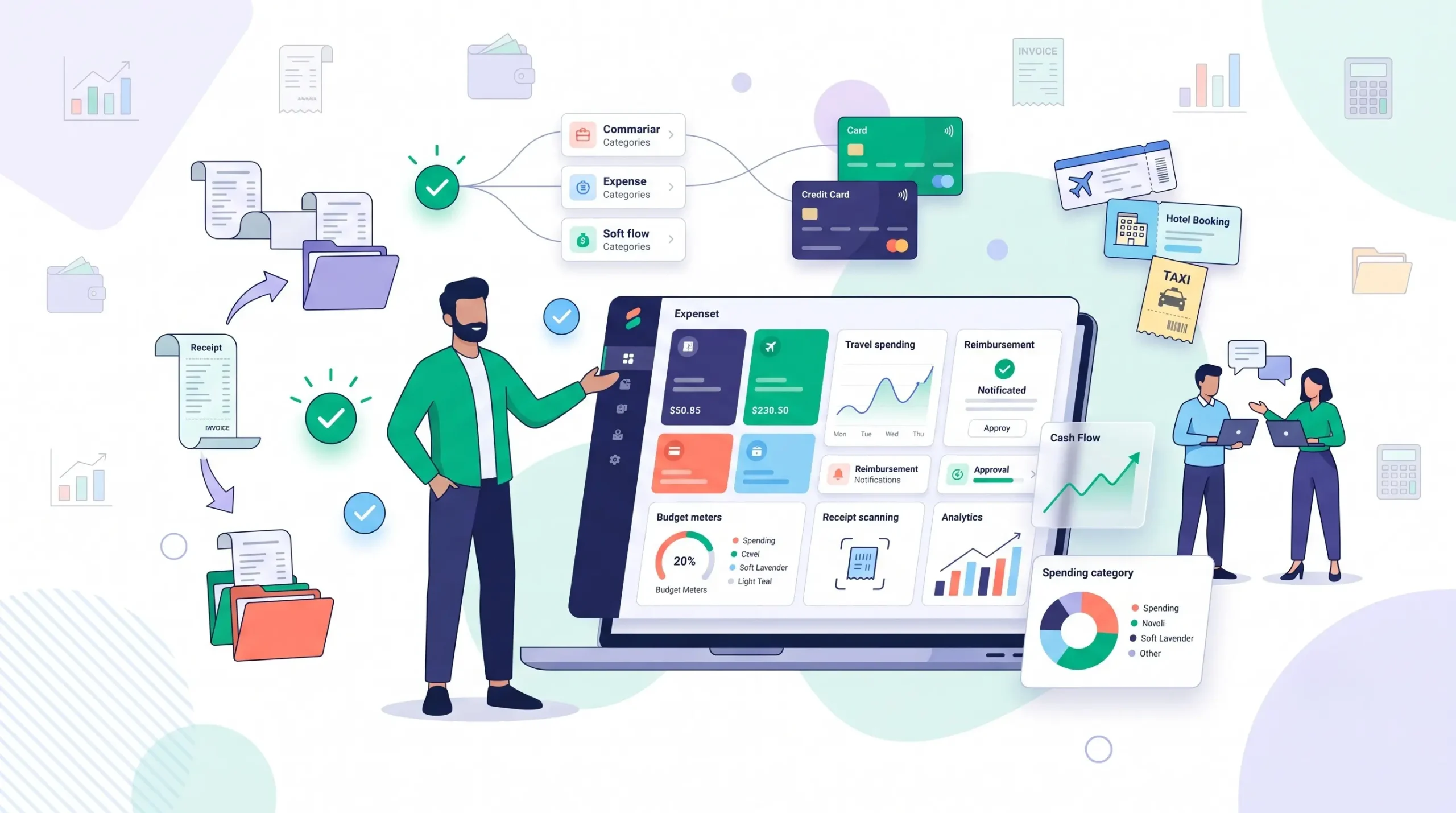
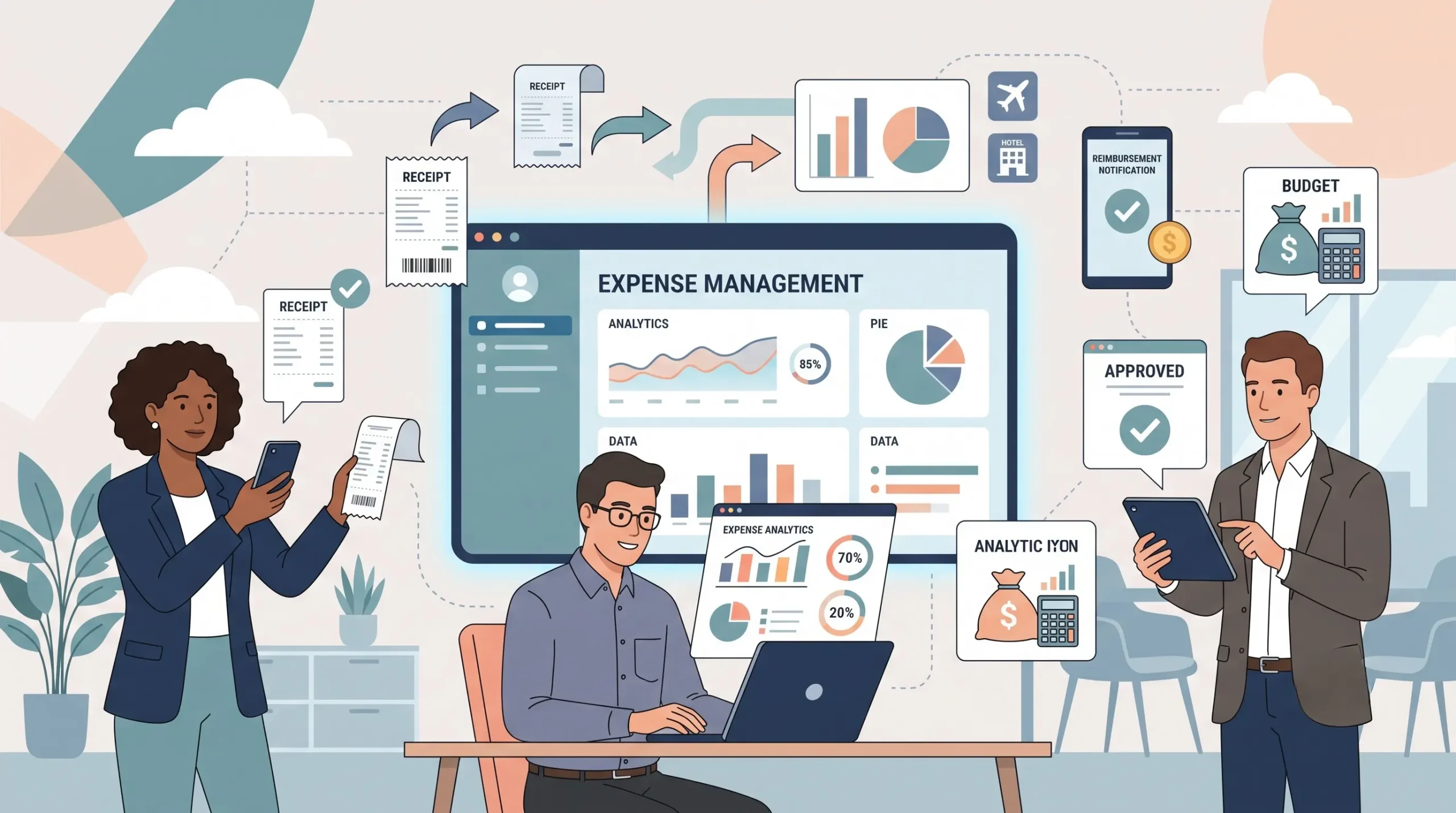
Modern businesses are rethinking travel and expense management by investing in expense analytics software and expense reporting software. These solutions simplify expense reporting, automate reimbursements, improve receipt management, and provide valuable spending insights.
In this guide, we’ll explore how inefficient expense processes contribute to burnout, the common challenges organizations face, and practical ways to create a smoother expense management experience.
How Expense Management Contributes to Employee Burnout
Expense reporting affects employees across departments, especially those who travel frequently for client meetings, conferences, or business visits.
When the process is manual and time-consuming, employees often deal with:
- Hours spent preparing expense reports
- Lost or damaged receipts
- Delayed reimbursements
- Multiple approval follow-ups
- Unclear expense policies
- Repetitive data entry
Instead of focusing on meaningful work, employees spend valuable time completing administrative tasks. Over time, this leads to frustration, reduced engagement, and lower productivity.
Common Challenges in Travel and Expense Management
Many businesses still rely on outdated processes that create unnecessary workload for both employees and finance teams.
1. Manual Expense Reporting
Manual expense reports require employees to enter every transaction, attach receipts, and categorize expenses individually. This increases the chances of errors, duplicate entries, and missing information while slowing down approvals.
2. Delayed Expense Reimbursements
Employees often wait days or even weeks to receive reimbursement because of multiple approval stages, missing documents, or manual verification. Delayed payments can create financial stress, particularly for employees who travel frequently.
3. Receipt Management Issues
Receipt management remains one of the biggest pain points in expense management.
Common issues include:
- Lost paper receipts
- Faded receipts
- Missing invoices
- Duplicate submissions
- Manual receipt verification
- Difficulty storing records for audits
Poor receipt management increases processing time and creates additional work for finance teams.
4. Limited Visibility into Spending
Without centralized expense data, businesses struggle to understand:
- Which departments spend the most
- Where travel costs are increasing
- Vendor spending patterns
- Areas where expenses can be reduced
This lack of visibility makes cost control difficult.
5. Policy Compliance Challenges
Employees may unintentionally submit expenses that don’t comply with company policies due to unclear guidelines or inconsistent enforcement. This results in rejected claims, additional reviews, and reimbursement delays.
How Better Expense Processes Reduce Burnout
Improving expense management is about removing unnecessary friction from employees’ daily work.
Automate Expense Capture
Modern expense reporting software allows employees to capture receipts instantly using a mobile app. The software automatically extracts key information such as merchant name, amount, date, and tax details, eliminating manual data entry.
Simplify Expense Submission
Instead of filling out spreadsheets, employees can submit complete expense reports within minutes. Built-in policy checks help identify issues before submission, reducing corrections later.
Accelerate Approvals
Automated approval workflows send reports directly to the appropriate manager. Notifications and reminders help reduce delays, ensuring faster processing.
Speed Up Expense Reimbursements
Faster approvals mean quicker reimbursements, reducing financial stress and improving employee satisfaction. Employees spend less time tracking payment status and more time focusing on their work.
The Role of Expense Analytics Software
While automation improves efficiency, expense analytics software helps organizations make smarter financial decisions.
It provides real-time insights into spending trends, enabling finance teams to identify opportunities for savings and improve policy compliance.
Expense analytics helps businesses:
- Monitor departmental spending
- Identify policy violations
- Detect duplicate claims
- Track reimbursement timelines
- Analyze travel expenses
- Improve budgeting and forecasting
Instead of reacting to overspending, organizations can proactively control costs.
Best Practices for Smarter Expense Management
Businesses looking to reduce employee burnout should combine technology with better processes.
Create Clear Expense Policies
Employees should have easy access to simple, well-defined expense policies. Clear guidelines reduce confusion and minimize rejected claims.
Digitize Receipt Management
Replacing paper receipts with digital storage improves record keeping, simplifies audits, and reduces lost documentation.
Automate Approval Workflows
Automated routing eliminates manual follow-ups and ensures expense reports reach the right approver quickly.
Provide Real-Time Status Updates
Employees should be able to track the progress of their expense reports and reimbursements without contacting finance teams.
Integrate Travel and Expense Systems
Connecting travel booking with expense management eliminates duplicate data entry and improves reporting accuracy.

Signs Your Business Needs Better Expense Reporting Software
Your organization may benefit from modern expense reporting software if:
- Employees frequently complain about reimbursement delays.
- Expense reports are created using spreadsheets.
- Lost receipts are common.
- Finance teams spend excessive time reviewing reports.
- Approvals require repeated follow-ups.
- Audits take too long to complete.
- Spending trends are difficult to analyze.
These challenges often indicate that manual processes are limiting efficiency and affecting employee experience.
Benefits Beyond Reducing Burnout
Modern expense management solutions create value across the organization.
For Employees
- Less administrative work
- Faster reimbursements
- Better visibility into claim status
- Reduced financial stress
- Improved job satisfaction
For Finance Teams
- Faster processing
- Better compliance
- Reduced manual effort
- Improved reporting
- Easier audits
For Business Leaders
- Greater spending visibility
- Better budget control
- Data-driven decision making
- Stronger financial governance
- Improved operational efficiency
Frequently Asked Questions
What is expense analytics software?
Expense analytics software helps businesses analyze employee spending, monitor budgets, identify trends, and improve financial decision-making using expense data.
How does expense reporting software reduce employee burnout?
It automates expense submission, receipt capture, approvals, and reimbursements, reducing administrative work and saving employees valuable time.
What are the biggest challenges in travel and expense management?
The most common challenges include manual expense reporting, delayed reimbursements, receipt management issues, poor visibility into spending, and policy compliance problems.
Why is receipt management important?
Effective receipt management reduces errors, simplifies audits, speeds up reimbursements, and ensures expenses are properly documented.
How can businesses improve expense reimbursements?
By automating approval workflows, digitizing receipts, simplifying expense reporting, and implementing modern expense management software.
Conclusion
Employee burnout isn’t always caused by demanding projects. Often, it’s the repetitive administrative tasks that create unnecessary stress and reduce productivity. Manual expense reporting, delayed reimbursements, and inefficient receipt management can negatively impact both employees and finance teams.
By adopting modern expense analytics software and expense reporting software, businesses can streamline travel and expense management, automate routine tasks, improve visibility into spending, and deliver faster reimbursements. The result is a more efficient finance process and a better employee experience.
Ready to Transform Your Expense Management?
If your organization is still relying on spreadsheets, paper receipts, or slow approval workflows, now is the time to modernize. ExpenseOut helps businesses automate expense reporting, simplify receipt management, accelerate reimbursements, and gain actionable insights through advanced expense analytics.
Book a demo today and discover how smarter expense management can reduce employee burnout while improving productivity and financial control.